
Tuberculosis: Deadly Blind Spot of Modern Medicine
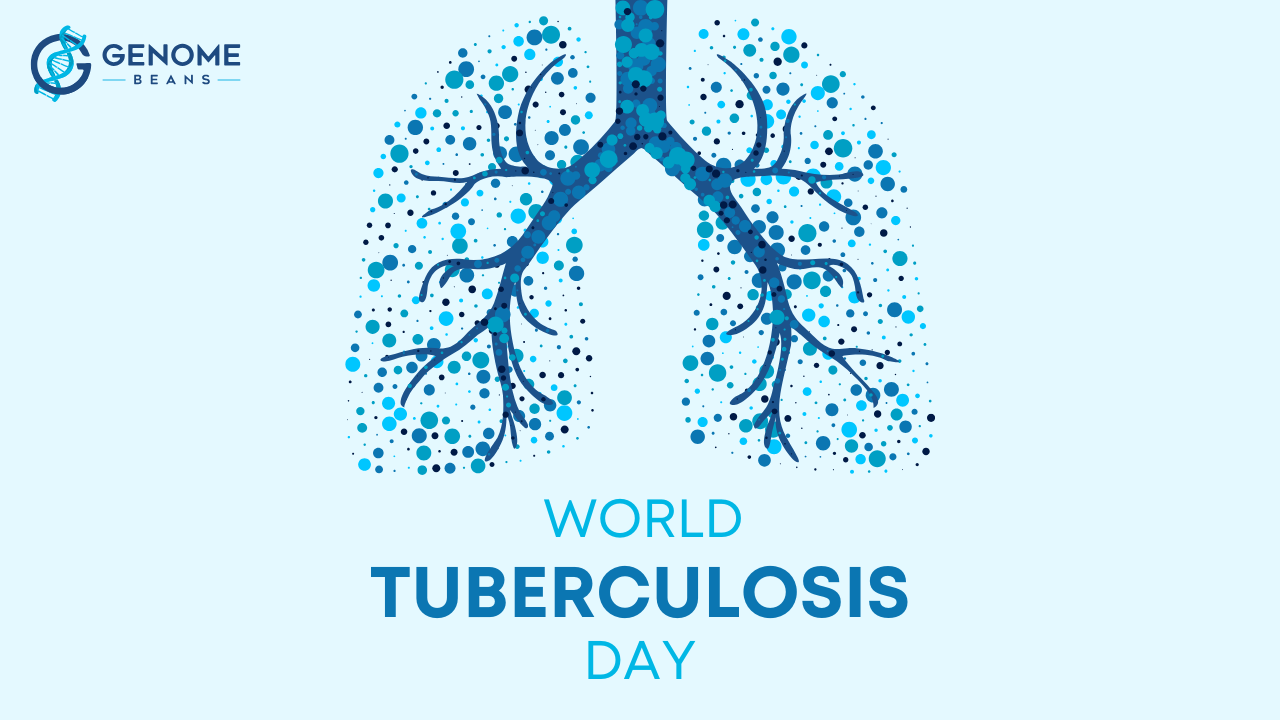
A disease older than civilisations that continues to claim lives. Tuberculosis is caused by Mycobacterium tuberculosis, a bacteria that has coexisted with humans for over 70,000 years.
When an infected person coughs, sneezes, or speaks, they release microscopic droplets 1 to 5 microns wide carrying live bacteria into the air. A single person can expose up to 15 close contacts annually.
How Tuberculosis Spreads and Survives
Once inside the body, the infection presents in three distinct forms:
Latent TB : The bacteria are confined in granulomas within lung tissue by the immune system making individual an asymptomatic carrier. A quarter of the global population carries latent TB.
Active TB: When the immune system weakens, latent infection can progress to a contagious, symptomatic form that results in:
- Cough accompanied with blood (hemoptysis) caused by lung tissue damage
- Fever, chills, and night sweats
- Significant weight loss
Extrapulmonary TB: Affects about 15–20% of active cases; infection spreads to other body parts such as the spine, kidneys, lymph nodes, or brain making it harder to diagnose and treat.
World Neglects and Patients Suffer
In 2024 alone, approximately 10.7 million new cases and 1.23 million deaths were documented from TB. It surpasses HIV/AIDS as the world’s deadliest infectious disease.The burden falls discriminately:
- Two-thirds of the global burden is shared by eight nations: India, Indonesia, China, Philippines, Pakistan, Nigeria, Bangladesh, and South Africa.
- India alone accounts for roughly 26% of all TB cases worldwide.
This isn’t random, it reflects demographic and geographical disadvantage.
- High population density and inadequate ventilation turn homes and public places into ideal transmission environments.
- Malnutrition weakens immunity, increasing the likelihood of advance to active disease.
- HIV coinfection raises the risk of developing active TB by 16 times.
This neglect persists largely because TB disproportionately affects people with least political representation: rural communities, migrant workers, prisoners and HIV patients of developing countries.
- TB primarily strikes the economically productive 15–49 age group.
- Affected families can lose 30% of their annual household income to medical costs and lost wages, perpetuating the cause of infection.
- Patients face social stigma. Positive diagnosis often means losing job and social exclusion.
Pathogen Adapted To Outsmart Medicine
TB is preventable and curable, yet continues to be a health emergency. The following traits make M. tuberculosis exceptionally resistant:
- A thick waxy cell wall prevents many drugs from penetrating effectively
- Slow replication rate requires months of antibiotic treatment
- Dormant granuloma state hides it from both the immune system and drug activity.
Drug-susceptible TB requires a six-month uninterrupted course of four antibiotics. Irregular dosing allows bacteria to develop resistance, giving rise to clinically challenging variants:
- MDR-TB (Multidrug-Resistant TB): Resistant to first-line drugs – isoniazid and rifampicin.
- XDR-TB (Extensively Drug-Resistant TB): Resistant to both first and second-line drugs, reducing the chance of successful treatment to below 40%.
Emerging Treatments Look Promising
Xpert MTB/RIF detects active infection and rifampicin resistance in two hours, replacing culture methods that took weeks. Faster diagnosis means faster treatment initiation and reduced transmission.
BPaLM regimen is a completely oral, six-month course combining bedaquiline, pretomanid, linezolid, and moxifloxacin. Clinical trials showed success rates above 89% for MDR-TB, replacing a two-year regimen and improving adherence and quality of life.
3HP regimen is weekly dose of isoniazid and rifapentine for three months. It has significantly improved latent TB treatment completion compared to nine-month daily isoniazid course.
Conclusion
TB has been curable since the 1950s. The global R&D budget is approximately $1 billion annually, one-tenth of HIV/AIDS. Most drugs used to treat TB were developed 50 to 70 years ago. The BCG vaccine, the only licensed vaccine available, was first introduced in 1921.
The WHO End TB Strategy targets a 90% reduction in TB deaths by 2030. Achieving this requires scientific advancement and political commitment to ensure access to treatment, address malnutrition and lack of infrastructure.
TB has solutions. It needs the world’s full attention.
“We cannot address Tuberculosis only with vaccines and medications. We must also address the root cause of Tuberculosis, which is injustice. Ultimately, we are the cause. We must also be the cure.”
– John Green, Everything Is Tuberculosis (2025)
Popular Post
-
20 March 2026
Down Syndrome: Overcoming Biological Barriers With Science and Empathy

-
12 March 2026
Bioinformatics Day: Biology Made Computable One Click At A Time

-
23 February 2026
Multi-Omics Integration: How Combining Data Unlocks Deeper Biological Insights
-
16 October 2025
Multi-Omics Integration: How Combining Data Unlocks Deeper Biological Insights
-
10 October 2025
Single-Cell vs Bulk Transcriptomics: Is Bioinformatics just about Coding